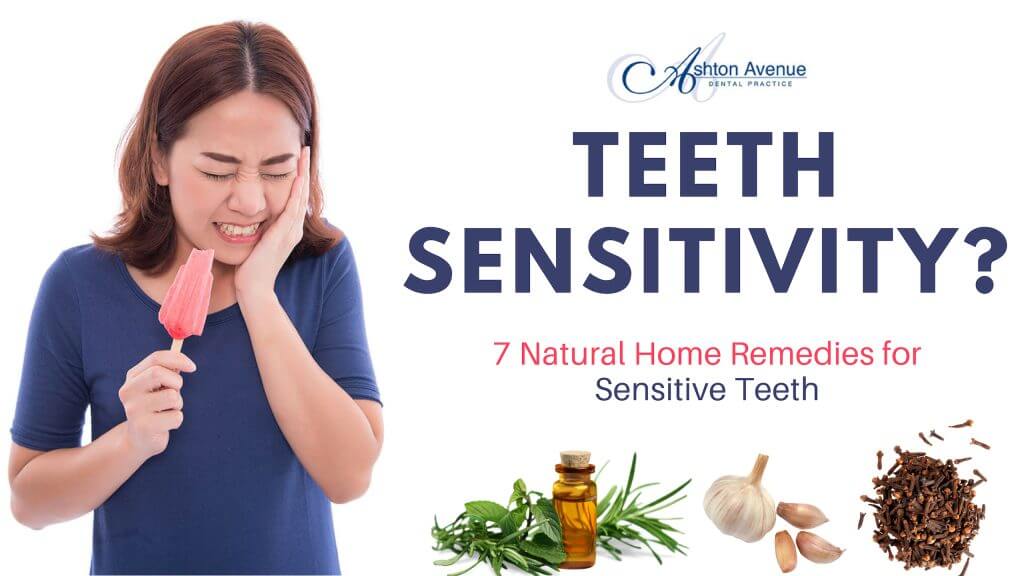
Do your teeth sting when enjoying a cold dessert or sipping hot coffee? Does brushing, flossing, or even breathing in cold air cause sharp pain? If so, you’re likely dealing with tooth sensitivity — a common dental issue we frequently treat at our Ashton Avenue Dental clinic, Claremont, WA.
While it might start as a mild irritation, sensitivity can begin to affect your daily routine and quality of life. The good news? Relief is possible — but understanding what’s behind the pain is key.
Tooth sensitivity can affect anyone, regardless of age. Here are some quick facts:
- You may feel sharp or lingering pain when eating or drinking something cold, hot, sweet, or acidic.
- Even brushing or flossing can trigger discomfort.
- Common causes include worn enamel, gum recession, or exposed tooth roots.
While home remedies offer short-term relief, ongoing sensitivity may signal a deeper problem. The right treatment depends on identifying the cause, from minor enamel wear to a more serious dental condition.
Quick Relief for Tooth Sensitivity Before Your Dental Visit
If you’re experiencing tooth sensitivity and can’t visit a dentist right away, there are a few options that may help ease discomfort in the short term. While these do not treat the underlying cause, they can help you manage symptoms until your appointment:
- Desensitising toothpaste to help reduce sensitivity with regular use
- Fluoride gel or rinse to support enamel strength
- Pain relief medications such as ibuprofen or paracetamol (as directed)
- Topical numbing gels for temporary relief
- A soft-bristled toothbrush to minimise irritation while brushing
These measures are intended for temporary comfort only and may not be suitable for everyone. If sensitivity persists, worsens, or is accompanied by other symptoms, it’s important to seek professional advice.
Book a consultation with our team to have your concerns properly assessed!
Sensitive Teeth: Why They Hurt and How to Stop the Pain
Tooth sensitivity typically occurs when the protective enamel on your teeth wears away or your gums recede, exposing the dentin underneath. This layer contains tiny tubules that connect to the nerve of your tooth, which is why you feel pain when they’re stimulated.
Common causes include:
- Brushing too Hard
- Tooth Decay
- Cracked Teeth
- Gum Disease
- Eat Acidic Foods
- Teeth Grinding
- Excessive Plaque
- Dental Surgeries
7 Home Remedies for Sensitive Teeth Pain
Here are some quick and easy home remedies suggested by Claremont dentist that will help you get rid of sensitive teeth pain.
1. Coconut Oil Pulling

Swishing one tablespoon of coconut oil in your mouth for 15 to 20 minutes may help reduce bacteria and support overall oral hygiene.
Once done, spit it out and rinse thoroughly with water. Practising this once daily may help ease mild irritation, although results can vary from person to person.
2. Avoid Foods and Drinks Which are Highly Acidic

Frequent exposure to acidic foods and beverages such as soft drinks, sugary snacks, and citrus can contribute to enamel wear, which may increase sensitivity.
Limiting these items and waiting at least 30 minutes before brushing after consuming them can help reduce further irritation.
3. Salt Water Rinse

A warm saltwater rinse can support oral health.
Mix a teaspoon of salt in a glass of warm water, swish for around 30 seconds, and spit it out. Using this twice daily may help soothe the gums and reduce minor inflammation.
4. Honey with warm water

Honey has natural soothing properties and may help provide temporary comfort. Mixing one tablespoon of honey in warm water and using it as a rinse can help calm irritated areas.
However, due to its sugar content, it’s important to rinse your mouth with plain water afterwards.
5. Wear a Mouth Guard to Avoid Teeth Grinding

Teeth grinding (bruxism), especially during sleep, can wear down enamel over time and contribute to sensitivity. A custom-fitted mouth guard, provided by a dental professional, may help protect your teeth and reduce pressure caused by grinding.
You may like to read: What happens during a grinding teeth treatment?
6. Garlic

Garlic is known for its antibacterial properties. Crushing a clove, mixing it with a small amount of water and salt to form a paste, and applying it to the affected area for 10–15 minutes may provide temporary relief.
Be cautious, as it can be strong and may not suit everyone.
7. Use Fluoride Mouthwash

A fluoride mouthwash can help support enamel strength and reduce sensitivity over time. Swish a small amount for 1 to 2 minutes and spit it out, ideally twice daily or as directed. Avoid swallowing and follow the product instructions carefully.
These remedies may help manage temporary symptoms, but they are not a substitute for professional care. If sensitivity continues or worsens, it’s best to have your teeth assessed.
Does a sensitive tooth mean infection?
Not always, but it can. Tooth sensitivity is often caused by enamel erosion or gum recession, which exposes the underlying dentin and makes your teeth more reactive to hot, cold, or sweet stimuli. These issues can usually be managed with non-invasive treatments. However, in some cases, sensitivity can be a warning sign of a deeper problem, such as a cracked tooth, tooth decay, or a tooth infection.
- How to Tell If It Might Be an Infection:
- The pain is throbbing, persistent, or worsens over time
- You notice swelling, pus, or a bad taste in your mouth
- The sensitivity spreads to the jaw, ear, or side of your face
- You feel pain even when not eating or drinking
These symptoms may indicate an abscessed tooth or another dental infection that requires urgent attention from an emergency dentist. Left untreated, infections can spread and lead to serious health complications, so it’s important to book an urgent dental appointment as soon as possible.
If you’re experiencing severe, ongoing sensitivity, don’t wait; book an appointment with your Claremont dentist at Ashton Avenue Dental. We’ll perform a thorough exam and get to the root of the problem before it worsens.
Consult Your Dentist
There are many home remedies for teeth sensitivity that you can use to get relief. However, professional and permanent solutions are recommended. If you not get relief from the pain after trying any home remedies, you may need to discuss your problem with your dentist. If you are located near Perth, Nedlands ,Swanbourne then you can visit experienced Dentist near you at Ashton Avenue Dental Practice. We are a dentist practice located in Claremont WA , serving patients from the local and surrounding suburbs since 1996. As a Claremont dentist, we are committed to providing high-quality dental care to the community.
Ashton Avenue Dental Practice
2 Ashton Avenue, Claremont, Western Australia, 6010.
Call: 08 6120 1822
When Should I See My Dentist for Tooth Sensitivity?
Home remedies and over-the-counter products can provide temporary relief for mild tooth sensitivity, but they don’t always address the root cause. If your discomfort is persistent, worsening, or affecting your quality of life, it’s time to speak with a dental professional.
At Ashton Avenue Dental Practice in Claremont WA, our experienced team of dentists and oral health experts is here to help. We offer a full range of dental services.Whether your sensitivity is due to enamel erosion, gum recession, or something more serious like an infection or cracked tooth, we’ll get to the root of the problem and tailor a treatment plan that works for you.
Frequently Asked Questions (FAQs)
No, salt cannot cure sensitive teeth, but it may temporarily help reduce mild discomfort. A warm saltwater rinse can soothe irritated gums and support oral hygiene, which may ease symptoms for a short time. If your sensitivity continues, it’s best to have the underlying cause assessed by a dentist.
You can reduce tooth sensitivity by using desensitising toothpaste, avoiding very hot or cold foods, and maintaining gentle oral care. These steps may help calm the nerves inside your teeth and prevent further irritation. If the pain doesn’t improve, a dental check-up can help identify and treat the cause.
You can reduce sensitivity promptly by using products such as fluoride rinses, desensitising toothpaste, or pain relief, as directed. Avoiding triggers such as cold drinks or sugary foods can also help minimise discomfort. These are short-term measures, so ongoing sensitivity should be professionally evaluated.
Coconut oil may help reduce bacteria and support oral hygiene, but it does not directly treat tooth sensitivity. Oil pulling can be part of your routine to maintain a cleaner mouth, which may indirectly help with minor irritation. However, it won’t address issues like enamel loss or exposed dentine.
Sudden gum sensitivity is often caused by factors such as aggressive brushing, gum recession, teeth grinding, or exposure to acidic foods. You might also notice it after dental procedures or due to underlying gum issues. Identifying the cause early can help you prevent it from worsening and protect your oral health.